
Loading...
Serving Frederick, MD and surrounding areas. (240) 971-0250
Sunken stoops, tilting driveways, and settled slabs are fixable without tearing everything out. We lift concrete back to level in Frederick, MD - with soil assessment, written estimates, and most jobs done the same day.
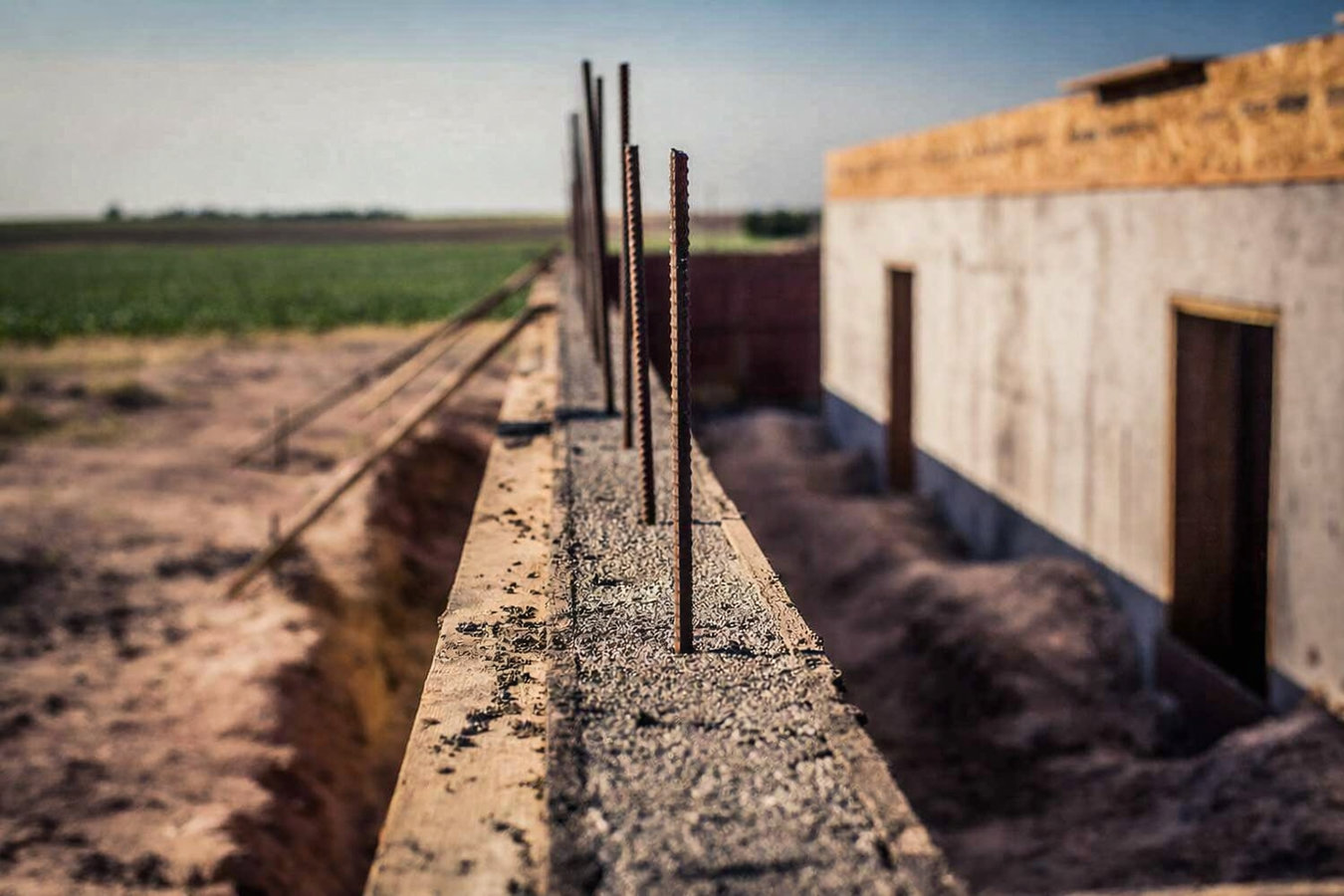
Foundation raising in Frederick lifts a sunken or uneven concrete slab back to its original height by drilling small holes and pumping material underneath to fill voids and push the concrete up - most residential jobs are completed in a single day, with the surface ready for use within hours.
The reason slabs sink here is usually one of two things: Frederick winters cycle through freeze and thaw dozens of times each season, gradually loosening soil and creating voids under your concrete. Or the clay-heavy Piedmont soils common across Frederick County absorb water and swell in spring, then shrink in summer - moving whatever sits on top. Either way, the result is the same: a stoop that pulls away from the house, a driveway panel that tilts toward a garage, or a patio that sheds water toward your foundation instead of away from it. If the slab has dropped so far that it cannot be saved, our slab foundation building service covers a full replacement.
The Foundation Repair Association provides training and standards for slab lifting contractors, and Maryland 811 marks buried utilities before any drilling starts, which is required by state law on every job.
If you can see a gap between your front steps and the wall of your home, the concrete has settled while the house stayed put. This is common in Frederick's older neighborhoods where stoops were poured on loosely compacted fill soil decades ago. The gap invites water into your foundation and creates a tripping hazard that gets worse each winter.
Stand at one end of your driveway or garage floor and look down the length of it. If it looks like a gentle ramp where it used to be flat, or if water pools in the middle after rain, the slab has likely settled unevenly. In Frederick, this often happens after a wet spring when clay soils absorb moisture and then dry out unevenly over the summer.
When the ground under your foundation shifts, your home's frame can shift with it - even slightly. If a door that used to swing freely now drags, or a window feels suddenly stiff, that can be an early sign that something is moving below. Small shifts are much easier and less expensive to correct than large ones, so acting early matters.
Hairline cracks in concrete are common and not always serious. But cracks wider than a pencil tip, cracks running in a stair-step pattern, or cracks where one side sits higher than the other are worth a professional assessment. In Frederick homes built before 1985, these cracks often appear after years of freeze-thaw cycles working on the soil below the slab.
We lift sunken concrete using mudjacking or polyurethane foam injection depending on which method suits your slab, your soil conditions, and your timeline. Both approaches drill small holes through the concrete, pump material underneath to fill voids, and lift the surface back to level. The holes are patched when the lift is complete. For slabs that are too far gone to raise, we offer concrete cutting to remove the damaged section cleanly before a new pour goes in.
Every project starts with a site visit - not a phone estimate. Frederick's neighborhoods vary widely: a rowhouse stoop near downtown was likely poured on fill soil six or seven decades ago, while a garage floor in a newer Wormans Mill subdivision may have settled because of improper compaction during construction. The cause affects the fix. We assess drainage patterns, note whether water is being directed toward or away from your foundation, and explain what we found before we recommend anything.
Homeowners looking for a proven, cost-effective lift on driveways, stoops, and walkways - mudjacking has decades of track record and costs less upfront than foam.
Properties where weight on the soil is a concern, or where faster curing is needed - foam is lighter than a cement slurry and can be walked on sooner.
Situations where the slab has not yet dropped significantly but the crew detects voids underneath - filling them before settling starts is a preventive option.
Frederick sits at the edge of the Piedmont plateau, where clay-heavy soils are the norm rather than the exception. Clay absorbs water and expands in Frederick's wet springs, then dries out and contracts during summer. That seasonal movement puts constant pressure on whatever is sitting on top of it - driveways, stoops, patios, and garage floors all shift in response. Lower-lying areas near Carroll Creek and the Monocacy River floodplain are particularly prone to soil saturation after heavy rain, which accelerates settling. Homeowners in Frederick's historic neighborhoods often have stoops and walkways that were poured before current compaction standards - those are the ones most likely to need attention.
Winter compounds the problem. Frederick temperatures regularly drop below freezing and climb back above it dozens of times between December and March. Each freeze-thaw cycle forces a little more water into existing voids, loosening the soil further. By early spring, the settling that has been happening gradually all winter becomes visible. That is why March and April are our busiest months for foundation raising calls - the damage shows up all at once once the ground thaws. Residents in Hagerstown and other parts of the region deal with the same climate-driven patterns, and the approach is the same: assess before winter, schedule the lift in spring.
We respond within 1 business day to schedule a free on-site visit. Describe what you are noticing in plain terms - you do not need to know the technical details. The visit typically takes 30 to 60 minutes and results in a written estimate.
We check how much the concrete has dropped, look for what caused the settling, and assess whether the slab is in good enough shape to be lifted. We explain what we found and why we are recommending a particular approach before any commitment.
For most stoop, driveway, and walkway lifts in Frederick, no permit is required and scheduling moves quickly. If your job involves the home's structural foundation, we confirm permit requirements with the appropriate city or county office and handle that paperwork on your behalf.
The crew drills small holes, pumps material underneath, and watches the slab rise to the correct level. The process for a typical job takes a few hours. Drill holes are patched before the crew leaves, and the area is cleaned up. You can walk on the surface within hours.
Free on-site estimate. Written quote before any work starts. Most jobs done in one day.
(240) 971-0250Frederick County's clay-heavy soils expand when wet and shrink when dry - a cycle that causes slabs to heave and drop seasonally. We assess drainage and soil conditions alongside the lift so you understand what caused the problem and what will help the repair last.
Maryland state law requires an MHIC license for home improvement work including foundation raising. Hiring a licensed contractor gives you legal recourse if something goes wrong and confirms the contractor meets state minimum standards. You can verify license status at the Maryland Department of Labor.
A slab lift is typically completed in one day - you can walk on the surface within hours and drive on it within 24 hours for mudjacking. Foam injection cures even faster. You avoid the days of disruption that come with full slab removal and replacement.
We serve homeowners across 12 areas in the region, from the historic neighborhoods near Carroll Creek to newer subdivisions along Route 26 and beyond. Local experience means we know how Frederick winters and Monocacy River floodplain proximity affect settling patterns in different neighborhoods.
A slab lift is only as good as the assessment behind it. We look at drainage patterns, soil type, and the cause of the settling before recommending a method - so the fix holds through Frederick's wet springs and dry summers rather than needing another call in two years. You can verify our Maryland contractor license status through the Maryland Home Improvement Commission before hiring.
When a settled or damaged slab section cannot be raised, precision concrete cutting removes it cleanly so the area can be re-poured level.
Learn moreFor projects where raising is not viable and a full new slab is needed, slab foundation building covers design, permits, and the complete pour.
Learn moreFrederick's freeze-thaw season starts earlier than most homeowners expect - getting your slab lifted now means it is level and stable before the first hard freeze, not worse.