
Loading...
Serving Frederick, MD and surrounding areas. (240) 971-0250
Building a deck, addition, or garage in Frederick? We pour concrete footings below the frost line, pull the county permit, schedule the inspection, and handle clay-soil prep so your structure stays solid for decades.
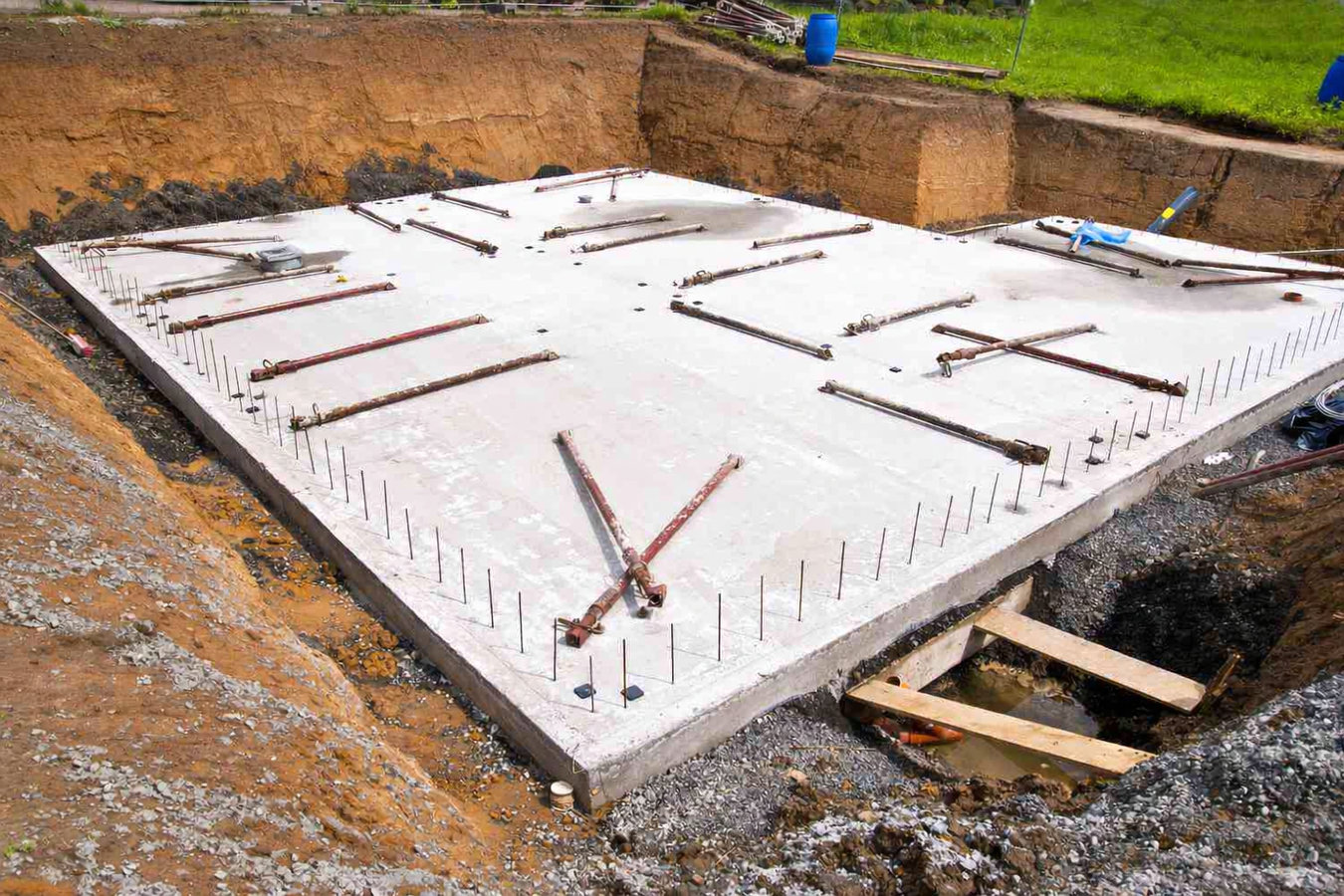
Concrete footings in Frederick are the buried base structures that hold up decks, additions, porches, and garages - poured at least 30 inches below grade to stay below the frost line, with a county inspection required before the concrete goes in. Most residential footing projects take one day to pour and one to four weeks from first call to approved permit.
A footing spreads the weight of whatever sits on top of it across a wider area of soil so the structure does not sink, tilt, or crack over time. It is the hidden base beneath the base - and in Frederick's freeze-thaw climate, getting it right matters more than almost anything else in the project. Many homeowners do not realize that shallow or undersized footings are the most common cause of decks that lean and additions that crack, especially in Frederick's older neighborhoods where the original work may have been done before modern depth requirements. If your project also needs a full slab on top of the footings, our foundation installation service covers that larger scope of work.
The American Concrete Institute provides the technical standards that govern footing design and placement - including reinforcement sizing and curing requirements - and the Maryland 811 Miss Utility service marks buried utility lines before any digging starts, which is required by state law.
If a deck post is no longer straight up and down, or if there is a gap opening between your deck ledger and the house, the footings below may have shifted. In Frederick, this often happens after a hard winter when freeze-thaw cycles push shallow footings upward. A leaning deck is a safety issue, not just a cosmetic one - do not delay addressing it.
Hairline cracks in concrete are common and often harmless. But cracks wider than a quarter inch, cracks running diagonally from corners, or cracks that are growing over time suggest the footing below may be settling unevenly. Frederick's clay soils shift significantly during wet and dry cycles, and that movement shows up first as cracking in the structure above.
Any new structure that attaches to or sits near your home needs properly engineered footings before framing begins. If you are in the planning stage for a deck, room addition, or detached garage, getting a footing assessment and permit in place early prevents costly delays once construction starts.
Frederick gets significant rainfall, and water that collects against your foundation rather than draining away puts constant pressure on footings and the walls above them. If you notice standing water near your foundation after a storm, it is worth having a contractor look at both your drainage and the condition of your footings before the problem worsens.
We pour concrete footings for residential decks, room additions, detached garages, porches, and accessory structures across Frederick and the surrounding region. Every project includes a free site visit, permit application and coordination, utility marking, excavation to frost-line depth, wood forming, steel reinforcement placement, pre-pour county inspection, the concrete pour, and cleanup. If your project also needs foundation raising for an existing settled structure, we assess that during the same site visit so you have a clear picture of everything that needs to happen before framing begins.
We never quote footing work over the phone. Soil conditions, existing structure proximity, and site access all affect what a footing project actually costs. Frederick's older in-town neighborhoods sometimes have original footings that were shallower than today's requirements, buried fill material, or unexpected obstructions that a phone conversation would miss entirely. You get a detailed written estimate after the site visit, not before.
Homeowners building or replacing a deck, porch, or screened room - the most common residential footing project in Frederick's neighborhoods.
Room additions and detached garages that require footings to support wall loads before framing can begin.
Sheds, pergolas, workshops, and other permitted structures that require inspected footings under Frederick County code.
Frederick's ground freezes to roughly 30 inches in a typical winter - deeper than many areas of the mid-Atlantic. That depth requirement means more digging, more concrete, and more time than national cost guides typically reflect. The Piedmont clay soils common throughout Frederick County add another factor: clay expands when wet and contracts when dry, putting ongoing pressure on buried concrete that sandy or gravelly soil would not. A contractor who scopes your project without accounting for both the frost depth and the soil conditions is giving you a number that may not hold once work begins.
Frederick County also requires a county inspector to approve footing depth and placement before the concrete is poured - and that inspection must be scheduled and passed before work can continue. Homeowners in Germantown and Rockville face similar county processes. We schedule that inspection as a standard part of every project so there is no gap between the excavation phase and the pour.
We respond within 1 business day to schedule a free on-site estimate. Most visits take 30 to 60 minutes - we measure, check soil conditions, and review your project plans before giving you a written number with no surprises.
We submit the permit application to Frederick County's Division of Plan Review and Permitting on your behalf. Review typically takes a few days to a few weeks. We also arrange utility marking through Maryland 811 before any digging begins - flagging buried lines is required by law and protects your property.
The crew digs to at least 30 inches below grade to get below the frost line, sets up wooden forms, and places steel reinforcing bars inside. A Frederick County inspector then visits to verify the depth and placement are correct before any concrete goes in - this inspection is a required step, not optional.
Once the inspection is approved, concrete is poured and leveled. The forms come off within a day or two. After an appropriate cure period - at least a week for light loads - the crew backfills, grades the work area, and cleans up. You receive permit documentation showing the work passed county inspection.
Free on-site estimates. Permits handled. Written proposals before any digging begins.
(240) 971-0250We apply for the Frederick County building permit before any excavation starts. You get documentation proving the work was inspected and approved - that paper trail matters when you sell or refinance your home later.
Frederick's ground freezes to roughly 30 inches in a typical winter. We dig to that depth on every footing project. Footings that sit above the frost line get pushed upward by freeze-thaw cycles and eventually crack or tilt the structure above them.
Frederick County's clay soils expand when wet and shrink when dry, putting pressure on buried concrete over time. We use gravel backfill around footings to improve drainage and reduce that soil pressure - a detail that matters more here than in sandy or gravelly areas.
We serve homeowners across 12 areas in the Frederick region, from the historic neighborhoods near Carroll Creek to newer subdivisions along Route 26 and beyond. We know local soil conditions and what Frederick County inspectors look for before they approve a pour.
Maryland requires contractors doing home improvement work to hold a current Maryland Home Improvement Commission license - verifying that license before signing a contract takes about two minutes online and is worth doing. A licensed contractor who pulls permits and welcomes county inspections is the clearest signal that the work will be done correctly the first time.
When an existing foundation has settled or shifted, raising and releveling it may restore the structure without full replacement.
Learn moreFor new construction requiring a full basement or crawl space, foundation installation covers the complete structural base from footings to walls.
Learn morePermit review takes time - reach out now to lock in your start date and get a free written estimate before contractor schedules fill up.